

Crypto wallets and seed phrases: a practical safety guide
A wallet manages keys, while a seed phrase can restore control of them. Learn the difference between custody, backup and everyday security.
A crypto wallet is a tool for viewing balances and authorizing transactions. The assets themselves are recorded on a network. What matters is control of the keys that can move them. A recovery phrase, often called a seed phrase, can recreate those keys. Anyone who obtains it may be able to take the assets, even if they never touch your phone.
Custodial and self-custody wallets
With a custodial account, a company controls the keys and lets you access assets through its login. This may simplify recovery but adds platform and account risk. With self-custody, you control the keys and the backup. You also carry responsibility for lost devices, phishing and recovery. Neither choice removes all risk.
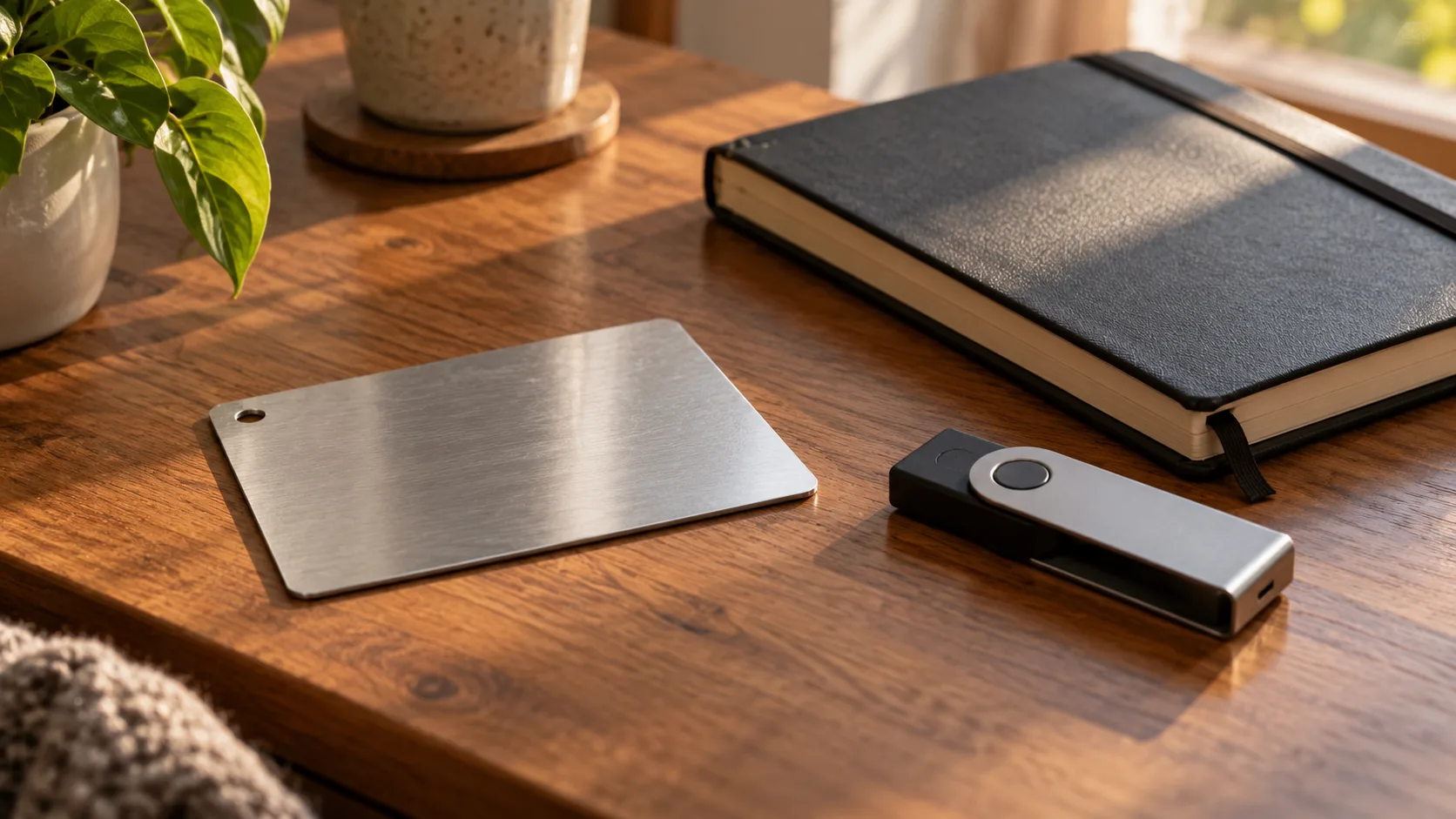
What makes a seed phrase sensitive?
It is a master recovery secret, not a password reset code. A real support agent does not need it. Do not photograph it, upload it to cloud notes, email it, or type it into a page opened from a message. If a site asks for the phrase to “verify” your wallet or unlock a reward, stop. Confirm the official app and domain yourself.
A small security checklist
- Back up offline: store the phrase in a private, durable place.
- Protect access: use a strong unique login and multifactor authentication where available.
- Check every request: review the destination, network and amount before signing.
- Update carefully: install wallet software from the publisher’s verified source.
A hardware wallet keeps signing keys away from a general-purpose computer, but it cannot save you from approving a malicious transaction. Treat every signature request as a payment instruction until you understand it.
How to practice without a costly mistake
Learn the steps with a small amount that you can afford to lose. Make a test transfer to a known address, wait for confirmation and verify the receiving balance. Record the asset and network used. A converter can estimate the amount, but it does not verify an address or include the network fee. For the transfer sequence, read how transactions work.
Write down where the backup is stored and who can access it. If you change phones, rehearse the official recovery process before the old device is gone, but never test by entering the phrase into an unfamiliar website. Separate long-term holdings from the wallet you use for frequent transactions so one mistaken approval does not expose everything.
Review what access an app requests when you connect a wallet. A signature can authorize more than a single payment on some networks. If a request is unclear, cancel it and find an independent explanation from the wallet publisher before trying again.
Further reading: Bitcoin.org: wallet and recovery vocabulary.


